Aerated (Turned) Windrow Composting :
Aerated or turned windrow composting is suited for large volumes such as that generated by entire communities and collected by local governments, and high volume food-processing businesses (e.g., restaurants, cafeterias, packing plants). It will yield significant amounts of compost, which might require assistance to market the end-product. Local governments may want to make the compost available to residents for a low or no cost.
This type of composting involves forming organic waste into rows of long piles called “windrows” and aerating them periodically by either manually or mechanically turning the piles. The ideal pile height is between four and eight feet with a width of 14 to 16 feet. This size pile is large enough to generate enough heat and maintain temperatures. It is small enough to allow oxygen flow to the windrow's core.
Large volumes of diverse wastes such as yard trimmings, grease, liquids, and animal byproducts (such as fish and poultry wastes) can be composted through this method.
Things to Think About :
Windrow composting often requires large tracts of land, sturdy equipment, a continual supply of labor to maintain and operate the facility, and patience to experiment with various materials mixtures and turning frequencies.
In a warm, arid climate, windrows are sometimes covered or placed under a shelter to prevent water from evaporating.
In rainy seasons, the shapes of the pile can be adjusted so that water runs off the top of the pile rather than being absorbed into the pile.
Windrow composting can work in cold climates. Often the outside of the pile might freeze, but in its core, a windrow can reach 140° F.
Leachate is liquid released during the composting process. This can contaminate local ground water and surface-water supplies. It should be collected and treated.
Windrow composting is a large-scale operation and might be subject to regulatory enforcement, zoning, and siting requirements. Compost should be tested in a laboratory for bacterial and heavy metal content.
Odors also need to be controlled. The public should be informed of the operation and have a method to address any complaints about animals or bad odors.
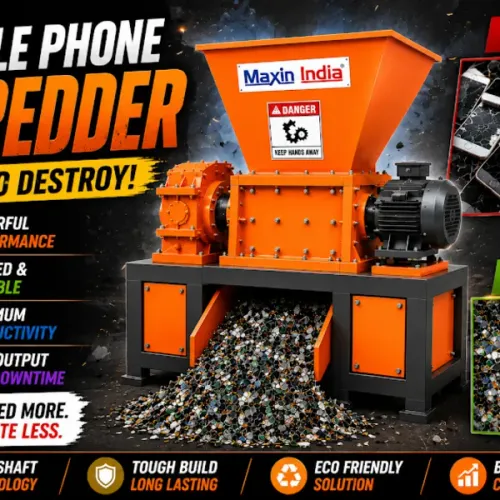
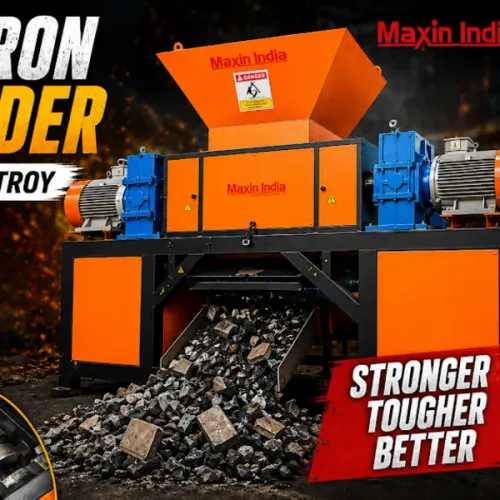
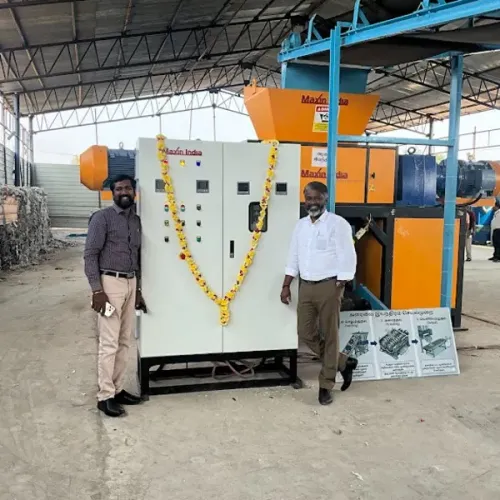
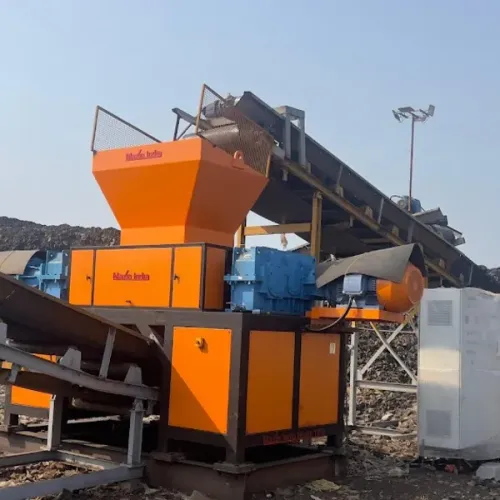
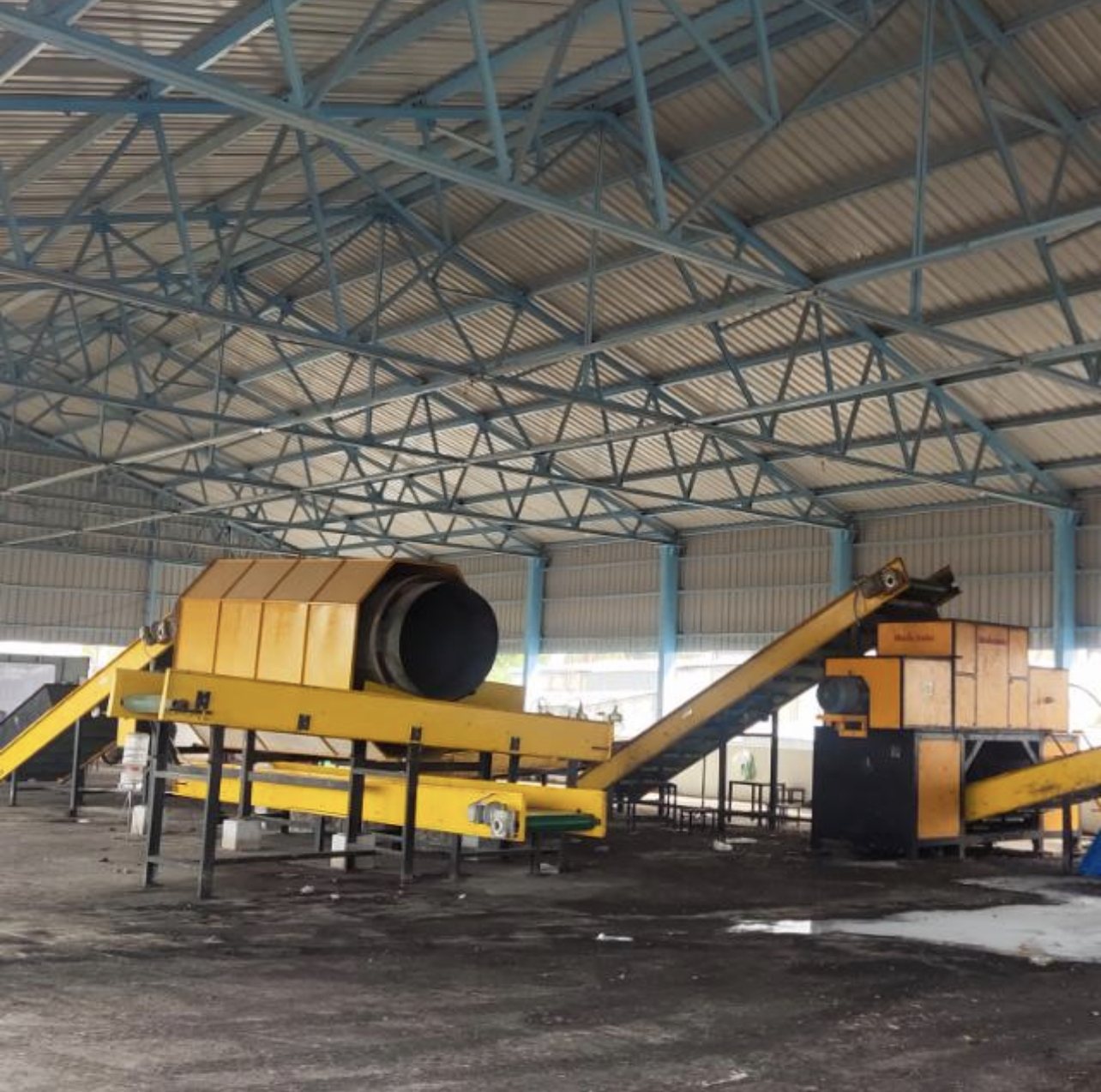
Maxin India Windrow Composting Shredder , Maxin India
Windrow Composting Crusher, Maxin India Organic Windrow Composting Shredding Machine, Maxin India Organic Windrow Composting Crushing Machine, 10 ton per hour capacity shredder Machine,